Private Stock Tokens Are a “Terrible Idea”
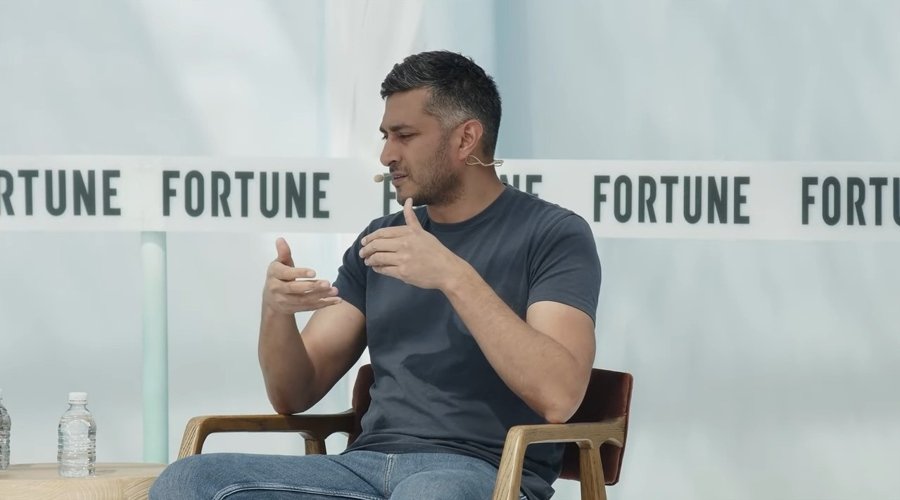
Kraken’s co-chief
executive has drawn a sharp line between his exchange’s
tokenized stock business and competitors who offer
digital shares in private companies, calling Robinhood’s
approach fundamentally flawed and risky for investors.
Arjun Sethi
rejected the growingly popular idea of tokenizing private company
equity outright, warning that investors face
serious problems when trying to exit such positions.
“The argument
Vlad is using is flawed,” Sethi said during Financial Times’
interview, referring to Robinhood CEO Vlad Tenev. He called
tokenizing private company stocks a “terrible idea.”
Robinhood
faced criticism earlier this year when it launched tokenized
representations of OpenAI shares in Europe, despite the
AI company not authorizing the offering. OpenAI
publicly distanced itself from the product,
stating the tokens did not represent actual
company equity and warning that any transfer of
OpenAI ownership requires company approval.
This New Crypto Scam Starts With “Congratulations, You’re Hired,” Kraken Warns
IG Group Exits Small Exchange in $100M Deal With Kraken
The controversy
highlighted the liquidity and resale restrictions inherent in
private company shares, issues that Sethi said make tokenization
particularly problematic. Unlike publicly traded
stocks that benefit from continuous markets and
regulatory oversight, private securities often come with
transfer restrictions and limited buyer pools.
Vlad Tenev, CEO at Robinhood; Photo: Wikimedia Commons
However, Tenev
holds a completely different view and said in a recent interview with
Bloomberg Wealth, “A big tragedy is that private markets are where the bulk of
the interesting appreciation and exposure is nowadays. It’s a shame that it’s
so difficult to get exposure in the U.S.”
Kraken has
taken a more cautious path, restricting its tokenized
equity offerings to established, publicly traded companies to avoid
regulatory pushback. The platform currently offers 60 assets
including Tesla, Apple and GameStop shares, with plans to expand to 1,000
popular stocks.
Public Equity Tokens
Gain Momentum
Sethi’s comments came as Kraken
reported passing $5 billion in trading volume
for its xStocks platform, which offers tokenized
versions of publicly listed US equities.
Each
tokenized stock is backed one-to-one by the underlying equity, held
with a regulated custodian
in Europe through the exchange’s partnership with
Swiss firm Backed Finance.
The platform
enables 24/7 trading of US equities
across multiple blockchains including Solana, BNB
Chain, TRON and Ethereum, breaking from traditional
market hours. Users can move holdings between
compatible platforms or store them in self-custody
wallets, features unavailable through conventional brokerage
accounts.
“With
xStocks, we’re not launching a novelty. We’re unlocking something
foundational,” Sethi said. “For the first time, people all over
the world can own and use a share of a tokenized stock like they
would use money”.
The service
has gained traction in markets like South Africa and Argentina, where
DeFi technology allows Kraken to offer shares without
the additional fees imposed by intermediaries; fees that can inflate stock
purchase prices by 10% to 15% over actual value.
UK Restrictions Block
Platform Access
But
British customers cannot access Kraken’s tokenized
stock platform or roughly 75% of
the crypto products available to US users, according to
Sethi, who shares the chief executive role with David
Ripley. The restrictions stem from the Financial Conduct
Authority’s financial promotion regime, introduced
in late 2023.
Speaking to
the Financial Times, Sethi compared the experience of visiting a
UK crypto website to encountering cigarette
package warnings. “In the UK today, if you go to any crypto
website, including Kraken’s, you
see the equivalent to a cigarette box – ‘use this
and you’re going to die,'” he said.
The FCA
requirements force crypto platforms to display
prominent risk warnings,
ban incentives for investing, and
make customers complete multiple verification steps before
allowing trades. Sethi argued that the multi-step process hurts
consumers in a market where timing matters.
“Because of
the speed at which they have to do the transaction,
it’s worse for consumers,” he told the newspaper, adding
that having 14 steps makes disclosures counterproductive.
The remarks come just days after Sethi, representing Kraken, met with British policymakers to discuss the development of digital asset innovation in the UK.
Regulator Stands Firm
The FCA
defended its approach, saying the
rules ensure customers understand both benefits and
risks before investing. A spokesperson noted that while
customers must answer questions before receiving a financial promotion,
they don’t face the same requirements for every trade.
“Some
consumers may make an informed decision that investing in crypto
is not right for them – that is our rules working as intended,”
the regulator said.
Britain’s
watchdog has stepped
up enforcement of the promotion rules this year. In October,
the FCA
filed a lawsuit against HTX, a crypto exchange connected to
billionaire Justin Sun, accusing the platform of failing to
comply with the financial promotion requirements. Sun has
invested millions in digital asset ventures tied to the Trump
administration.
The global securities regulator, IOSCO, has criticized asset tokenization, citing uncertainty regarding ownership and counterparty risks posed by token issuers.
Kraken,
founded in 2011 and ranking among the world’s 15 largest
exchanges by trading volume, has prepared for a New York
listing though Sethi declined to discuss timing. The
exchange is reportedly seeking $500 million in funding at a $15
billion valuation ahead of a potential 2026 initial public
offering.
Kraken’s co-chief
executive has drawn a sharp line between his exchange’s
tokenized stock business and competitors who offer
digital shares in private companies, calling Robinhood’s
approach fundamentally flawed and risky for investors.
Arjun Sethi
rejected the growingly popular idea of tokenizing private company
equity outright, warning that investors face
serious problems when trying to exit such positions.
“The argument
Vlad is using is flawed,” Sethi said during Financial Times’
interview, referring to Robinhood CEO Vlad Tenev. He called
tokenizing private company stocks a “terrible idea.”
Robinhood
faced criticism earlier this year when it launched tokenized
representations of OpenAI shares in Europe, despite the
AI company not authorizing the offering. OpenAI
publicly distanced itself from the product,
stating the tokens did not represent actual
company equity and warning that any transfer of
OpenAI ownership requires company approval.
This New Crypto Scam Starts With “Congratulations, You’re Hired,” Kraken Warns
IG Group Exits Small Exchange in $100M Deal With Kraken
The controversy
highlighted the liquidity and resale restrictions inherent in
private company shares, issues that Sethi said make tokenization
particularly problematic. Unlike publicly traded
stocks that benefit from continuous markets and
regulatory oversight, private securities often come with
transfer restrictions and limited buyer pools.
Vlad Tenev, CEO at Robinhood; Photo: Wikimedia Commons
However, Tenev
holds a completely different view and said in a recent interview with
Bloomberg Wealth, “A big tragedy is that private markets are where the bulk of
the interesting appreciation and exposure is nowadays. It’s a shame that it’s
so difficult to get exposure in the U.S.”
Kraken has
taken a more cautious path, restricting its tokenized
equity offerings to established, publicly traded companies to avoid
regulatory pushback. The platform currently offers 60 assets
including Tesla, Apple and GameStop shares, with plans to expand to 1,000
popular stocks.
Public Equity Tokens
Gain Momentum
Sethi’s comments came as Kraken
reported passing $5 billion in trading volume
for its xStocks platform, which offers tokenized
versions of publicly listed US equities.
Each
tokenized stock is backed one-to-one by the underlying equity, held
with a regulated custodian
in Europe through the exchange’s partnership with
Swiss firm Backed Finance.
The platform
enables 24/7 trading of US equities
across multiple blockchains including Solana, BNB
Chain, TRON and Ethereum, breaking from traditional
market hours. Users can move holdings between
compatible platforms or store them in self-custody
wallets, features unavailable through conventional brokerage
accounts.
“With
xStocks, we’re not launching a novelty. We’re unlocking something
foundational,” Sethi said. “For the first time, people all over
the world can own and use a share of a tokenized stock like they
would use money”.
The service
has gained traction in markets like South Africa and Argentina, where
DeFi technology allows Kraken to offer shares without
the additional fees imposed by intermediaries; fees that can inflate stock
purchase prices by 10% to 15% over actual value.
UK Restrictions Block
Platform Access
But
British customers cannot access Kraken’s tokenized
stock platform or roughly 75% of
the crypto products available to US users, according to
Sethi, who shares the chief executive role with David
Ripley. The restrictions stem from the Financial Conduct
Authority’s financial promotion regime, introduced
in late 2023.
Speaking to
the Financial Times, Sethi compared the experience of visiting a
UK crypto website to encountering cigarette
package warnings. “In the UK today, if you go to any crypto
website, including Kraken’s, you
see the equivalent to a cigarette box – ‘use this
and you’re going to die,'” he said.
The FCA
requirements force crypto platforms to display
prominent risk warnings,
ban incentives for investing, and
make customers complete multiple verification steps before
allowing trades. Sethi argued that the multi-step process hurts
consumers in a market where timing matters.
“Because of
the speed at which they have to do the transaction,
it’s worse for consumers,” he told the newspaper, adding
that having 14 steps makes disclosures counterproductive.
The remarks come just days after Sethi, representing Kraken, met with British policymakers to discuss the development of digital asset innovation in the UK.
Regulator Stands Firm
The FCA
defended its approach, saying the
rules ensure customers understand both benefits and
risks before investing. A spokesperson noted that while
customers must answer questions before receiving a financial promotion,
they don’t face the same requirements for every trade.
“Some
consumers may make an informed decision that investing in crypto
is not right for them – that is our rules working as intended,”
the regulator said.
Britain’s
watchdog has stepped
up enforcement of the promotion rules this year. In October,
the FCA
filed a lawsuit against HTX, a crypto exchange connected to
billionaire Justin Sun, accusing the platform of failing to
comply with the financial promotion requirements. Sun has
invested millions in digital asset ventures tied to the Trump
administration.
The global securities regulator, IOSCO, has criticized asset tokenization, citing uncertainty regarding ownership and counterparty risks posed by token issuers.
Kraken,
founded in 2011 and ranking among the world’s 15 largest
exchanges by trading volume, has prepared for a New York
listing though Sethi declined to discuss timing. The
exchange is reportedly seeking $500 million in funding at a $15
billion valuation ahead of a potential 2026 initial public
offering.
Source link